Flat Roof Care Tips for Commercial Properties Heading Into Spring
Spring in Cumberland, ON is more than just thawing snow and budding trees—it’s a vital transitional season for property owners and facilities managers caring for commercial buildings. After months of battling snow, ice, and freezing temperatures, your flat roof needs special attention to prevent leaks, costly repairs, and unexpected downtime. Flat roofs, by their very design, demand proactive maintenance, especially as melting snow and spring rainstorm activity can highlight vulnerabilities that lay hidden during winter. Here are the top flat roof care tips to ensure your property is protected and primed for the coming months.
Assess and Clear Debris
Flat roofs collect debris much more easily than sloped roofs, especially over the winter. Leaves, twigs, dirt, and accumulated snowmelt can block drainage pathways, leading to standing water or ponding as spring showers arrive. Pooling water is not just an eyesore—it’s a threat to roof membranes and insulation, increasing the risk of leaks and structural damage.
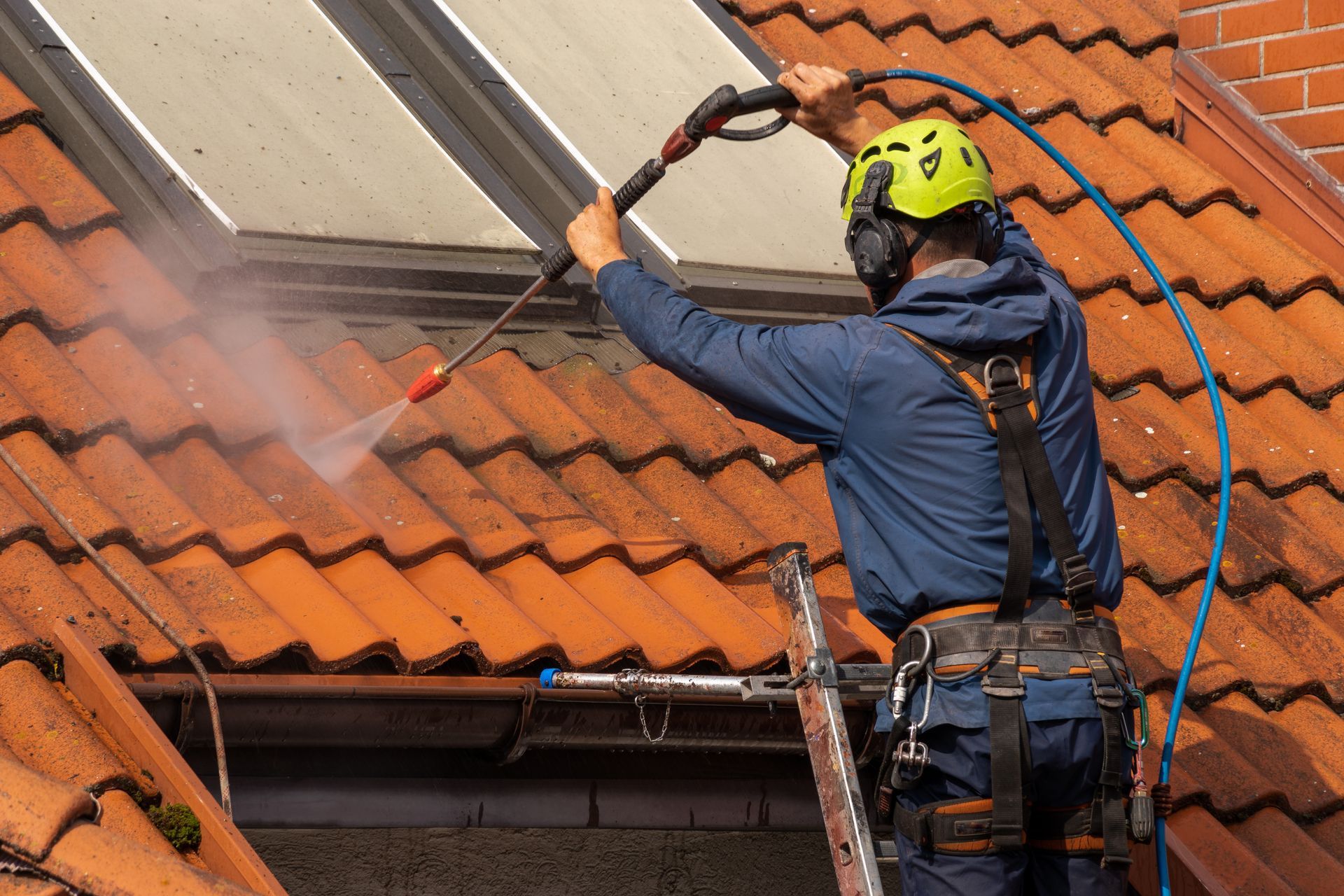
Start the season by clearing off all debris, paying close attention to roof drains, gutters, and scuppers. Remove branches, trash, and any remnants of winter devices like snow guards or cables. Clearing your roof surface helps water flow freely and reduces the burden on your drainage system.
Check for Obvious Signs of Damage
Winter weather can be harsh on roofing materials. Inspect your flat roof for visible signs of damage such as cracks, blisters, or splits in the membrane. Severe temperature fluctuations cause roofing materials to expand and contract, leading to potential seams opening up or fasteners loosening. Look for deteriorated flashing around roof penetrations, such as skylights, vents, and HVAC units, as well as around the perimeter edges.
Additional areas to assess include sealant integrity, separation at joints, and any evidence of water stains or discoloration from above. Addressing these issues early can prevent spring rain from becoming an indoor problem.
Evaluate Drainage and Downspouts
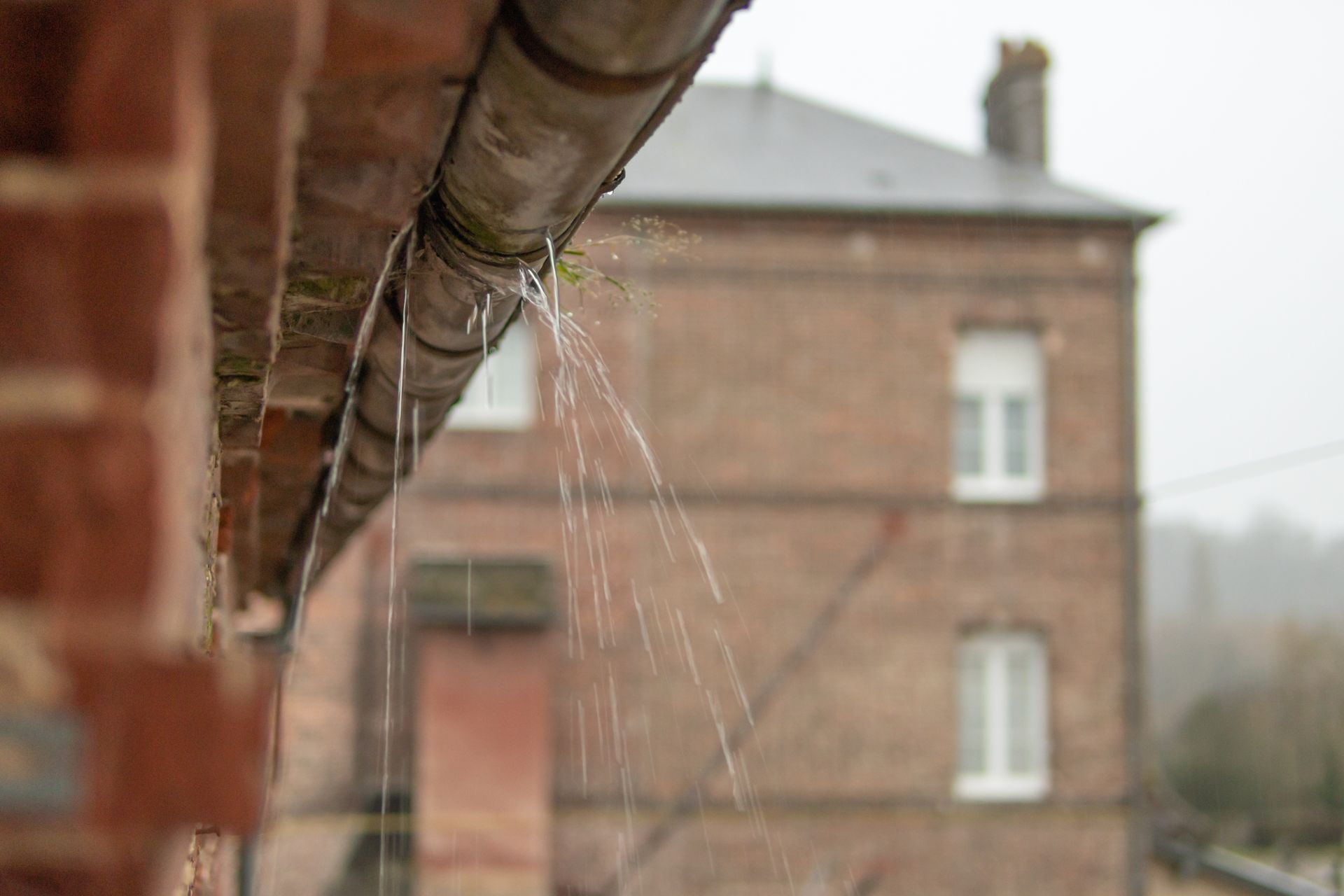
Even a small blockage in your drainage system can allow several gallons of water to pool on your roof during a heavy spring storm. Check all internal and external drains, scuppers, gutters, and downspouts for blockages, damage, or improper alignment. Ensure water is directed at least five feet away from the foundation to prevent flooding or structural issues.
If your property is surrounded by trees, consider installing gutter guards or scheduling more frequent cleaning to minimize debris buildup. Drainage systems that are clear and free-flowing help extend the life of your flat roofing materials.
Look for Insulation and Moisture Concerns
Flat roofs can conceal moisture infiltration for months before it becomes chronic interior damage. Look for signs of saturated or compressed insulation, mold growth, or musty odors coming from ceiling tiles, attic spaces, or upper floor rooms. If moisture has seeped in, it often means the roofing membrane or flashing failed during the freeze-thaw cycles.
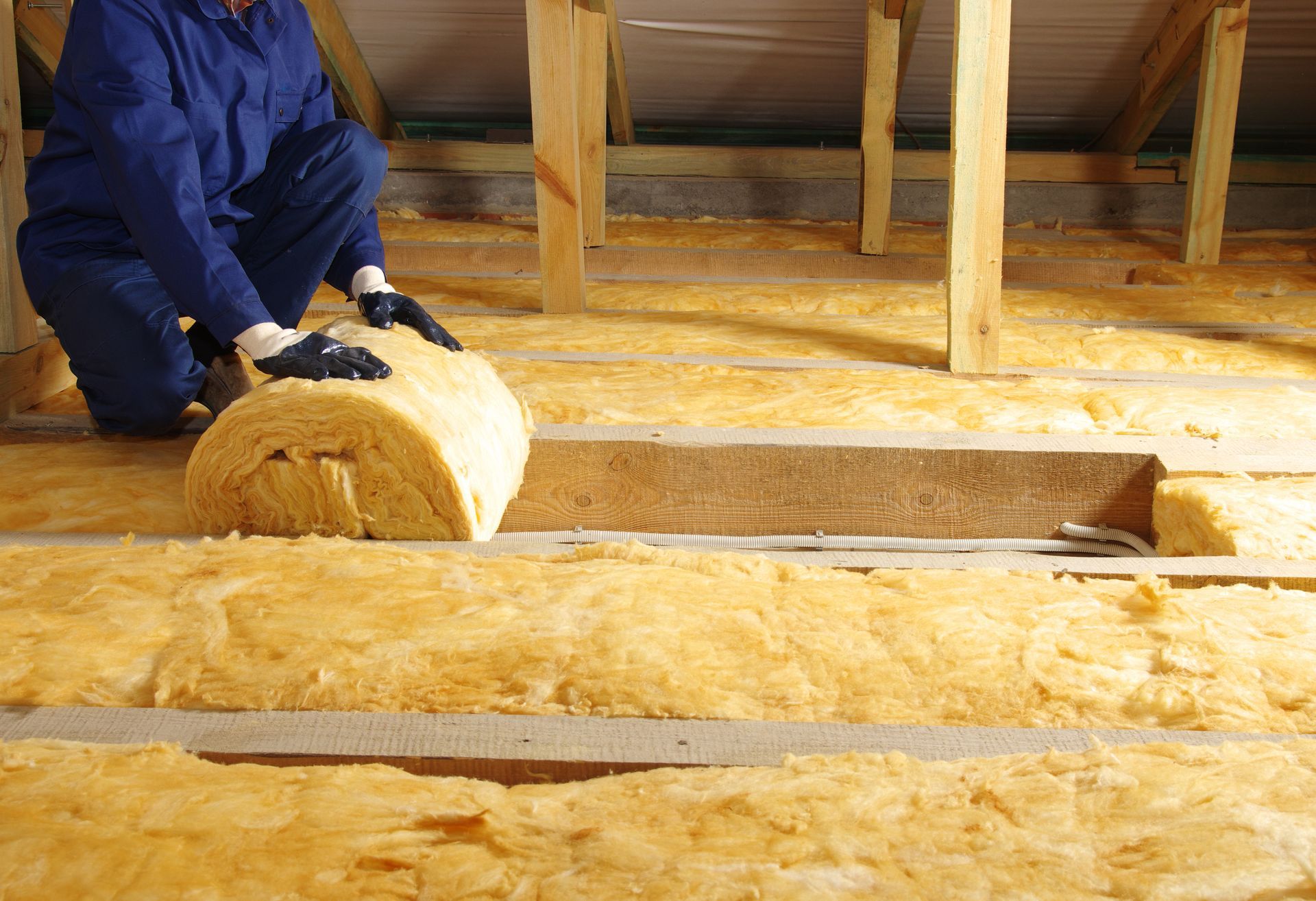
Utilizing infrared scanning technology or moisture meters allows for more precise detection of trapped moisture below the surface. If insulation has been compromised, timely replacement will not only avert further structural decay but can also restore energy efficiency to your building.
Schedule Preventive Maintenance
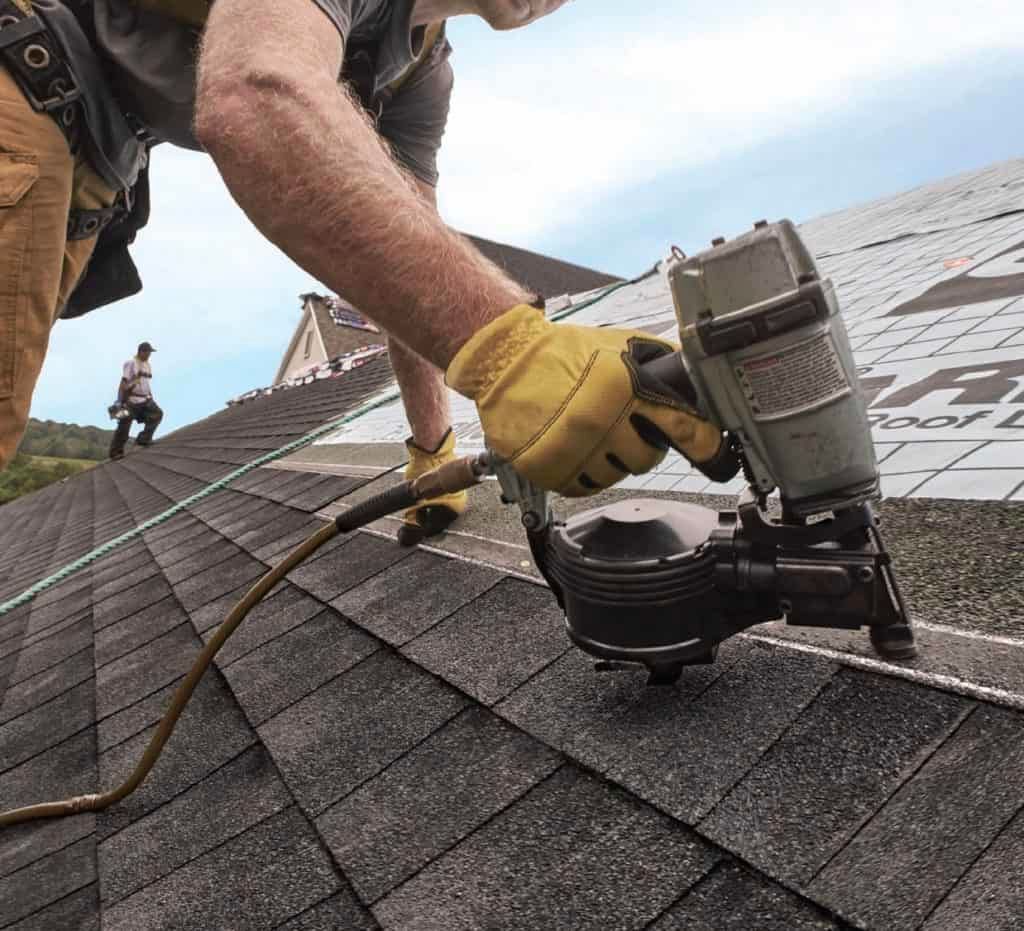
Preventive measures go a long way in avoiding expensive emergency repairs. Arrange for a professional flat roof inspection at least twice per year—spring and fall are ideal times in Ontario’s climate. Experienced roofing contractors can identify less obvious vulnerabilities, perform routine cleaning, apply waterproof coatings, and carry out minor repairs before they escalate.
Another critical task is checking rooftop equipment mounts and supports, which can become loose and lead to leaks if not maintained. Ensuring all penetration points are secure and properly sealed helps your roofing system remain watertight all season.
Be Aware of Common Flat Roof Materials
Understanding the material on your commercial flat roof helps guide care recommendations. Most flat roofs are constructed from EPDM, TPO, PVC, or modified bitumen. Each has its own maintenance considerations—for instance, TPO and PVC are highly reflective and resist algae and mold but require careful attention to seams and heat-welded areas. EPDM can develop surface cracks over time but is generally durable if not punctured. Modified bitumen benefits from periodic resealing. Work with a roofing company familiar with your specific system to ensure material-specific best practices are followed.
Benefits of Spring Flat Roof Care
The benefits of routine spring maintenance for commercial flat roofs are many:
- Prevents leaks and water damage
- Prolongs roofing system lifespan
- Avoids costly emergency repairs
- Ensures uninterrupted business operations
- Maintains proper insulation and energy efficiency
- Helps meet warranty requirements
By investing in preventive care, you protect your commercial property, your tenants or employees, and your bottom line.
Ready to schedule your spring flat roof inspection or need immediate commercial roofing service in Cumberland, ON? Reach out to Markelangelo’s today. Our skilled team will ensure your flat roof is prepared for the months ahead, delivering peace of mind and maximum protection for your property. Contact us now to book a consultation and experience quality without compromise.
Share This Blog