How Proper Ventilation Prevents Spring Allergies in Your Home
April 22, 2026
As winter fades and spring arrives in Cumberland, ON, many homeowners start to notice the sneezing, runny noses, and scratchy throats that come with seasonal allergies. While outdoor pollen levels are often blamed, what’s inside your home can be just as big a culprit—especially if your roof and attic ventilation aren’t up to par.
Understanding Why Spring Allergies Worsen Indoors
Most people think of spring allergies as an outdoor problem, but allergens easily infiltrate your house. Common irritants include:
- Pollen: Blown in from blooming trees and flowers
- Dust mites: Thrive in warm, humid environments
- Mold spores: Develop in moist, poorly ventilated spaces
If your home doesn’t have proper ventilation, these allergens become trapped indoors, circulating through your HVAC system, collecting in your attic, and increasing discomfort for your family. With air quality at the top of everyone’s mind, minimizing indoor allergens should be a priority this spring.
How Poor Ventilation Triggers Allergy Problems
Without effective ventilation, your attic acts as a storage room for unwanted irritants. Warmth and trapped moisture from daily living—cooking, laundry, showers—rise and settle in the attic, creating an ideal breeding ground for mold and mildew.
Dust, pollen, and other airborne allergens have nowhere to escape, recirculating through attic leaks or crawlspaces. As temperatures warm, these contaminants can even migrate into living spaces, exacerbating allergy symptoms for everyone in the household.
Roof and Attic Ventilation: The Unsung Heroes
Proper roof and attic ventilation does more than keep your energy bills down—it plays a crucial role in your family’s health. Here’s how a well-designed ventilation system helps prevent allergies:
- Regulates Moisture: Efficient airflow moves hot, damp air out of your attic. This lowers humidity and reduces the likelihood of mold and mildew growth, both powerful allergy triggers.
- Dilutes Airborne Pollutants: Clean, fresh outdoor air moves in while stale, contaminated air is vented out. This constant exchange dilutes pollen, dust, and other allergens.
- Blocks Mold Proliferation: Reducing heat and moisture in your attic makes it harder for dangerous molds to grow. Preventing mold before it starts is always safer (and less expensive) than remediation.
- Enhances Filtration: Many modern ventilation solutions work alongside air filters and ERVs (energy recovery ventilators) to trap and neutralize allergens before they spread inside.
Identifying Ventilation Problems in Your Home
Worried your house might be aggravating your allergies? Here are a few red flags to watch for:
- Musty Odors: A lingering, earthy smell in the attic or upstairs rooms could signal mold or mildew building up.
- Condensation on Windows or Roof Deck: Persistently damp surfaces are a sign of excess humidity and stagnant air.
- Hot, Stuffy Attic Spaces: If your attic feels unusually warm, especially on sunny days, ventilation may be inadequate.
- Visible Mold Growth: Black, green, or white patches on wood, insulation, or ceiling corners are never normal and point to ongoing moisture issues.
- Skyrocketing Utility Bills: Poor ventilation makes your HVAC system work overtime to regulate temperature and humidity, costing you more each month.
Simple Steps to Improve Indoor Ventilation
Not every solution requires a huge renovation, but a professional inspection is often the best place to start. Here are a few actions you can take this season:
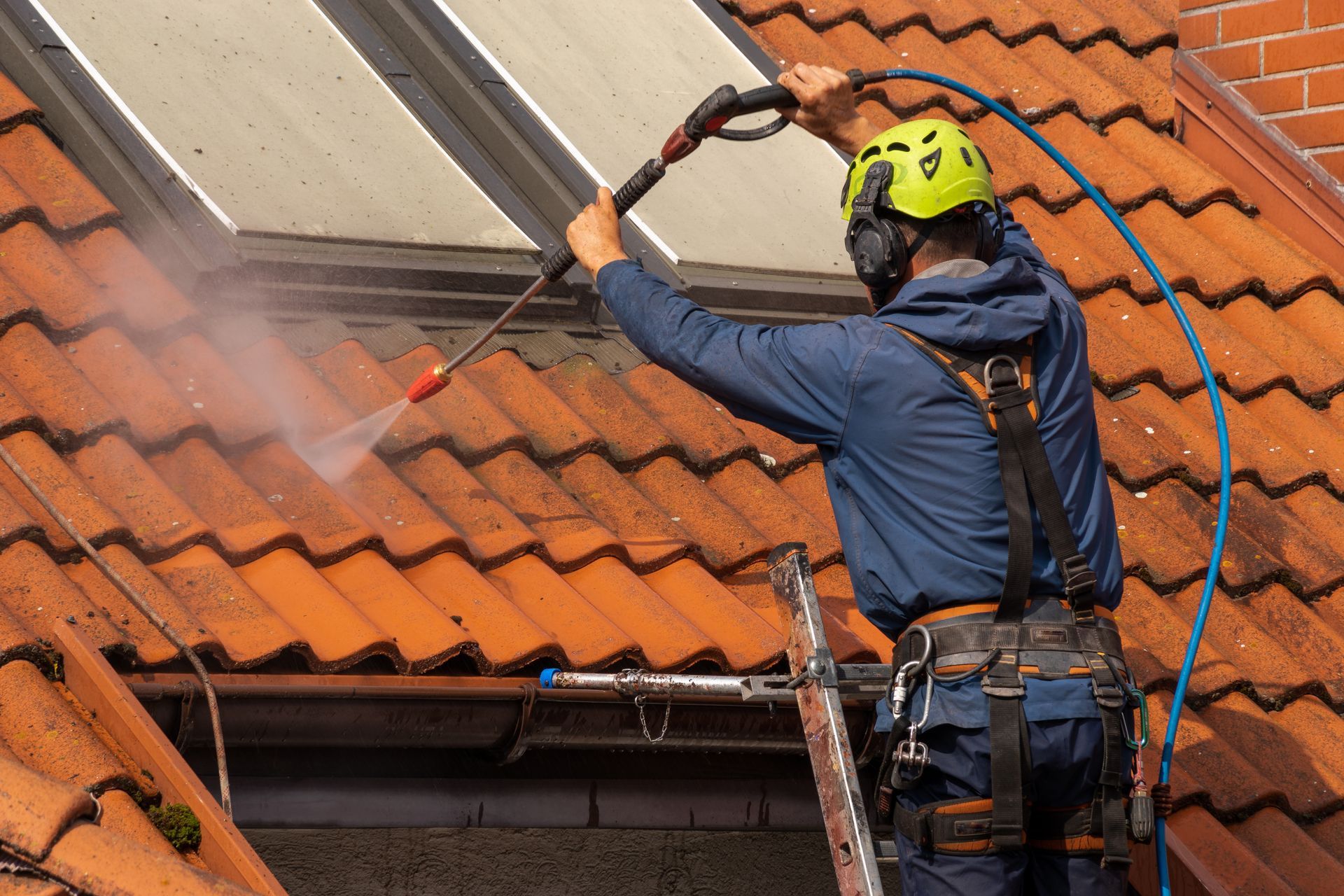
- Check Existing Vents: Ensure roof vents, soffit vents, and attic fans are unobstructed and free from debris.
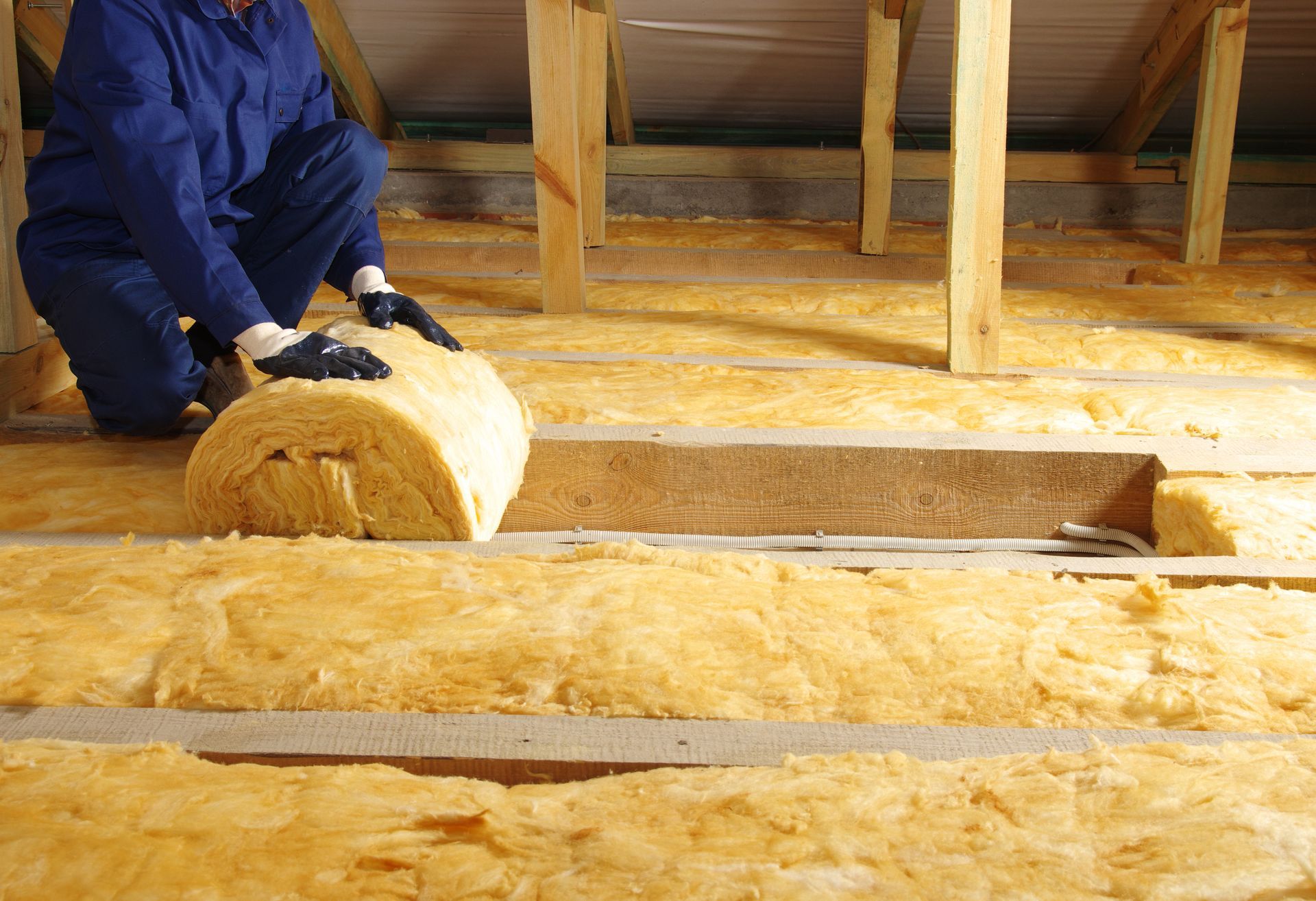
- Upgrade Attic Insulation:
Proper insulation helps regulate temperature and prevents unwanted moisture from entering living spaces.
- Consider Energy Recovery Ventilators (ERVs):
These systems bring in filtered fresh air while maintaining energy efficiency and comfort indoors.
- Tackle Leaks and Seepage: Seal gaps in the attic or roof that allow moist air to accumulate or allergens to enter.
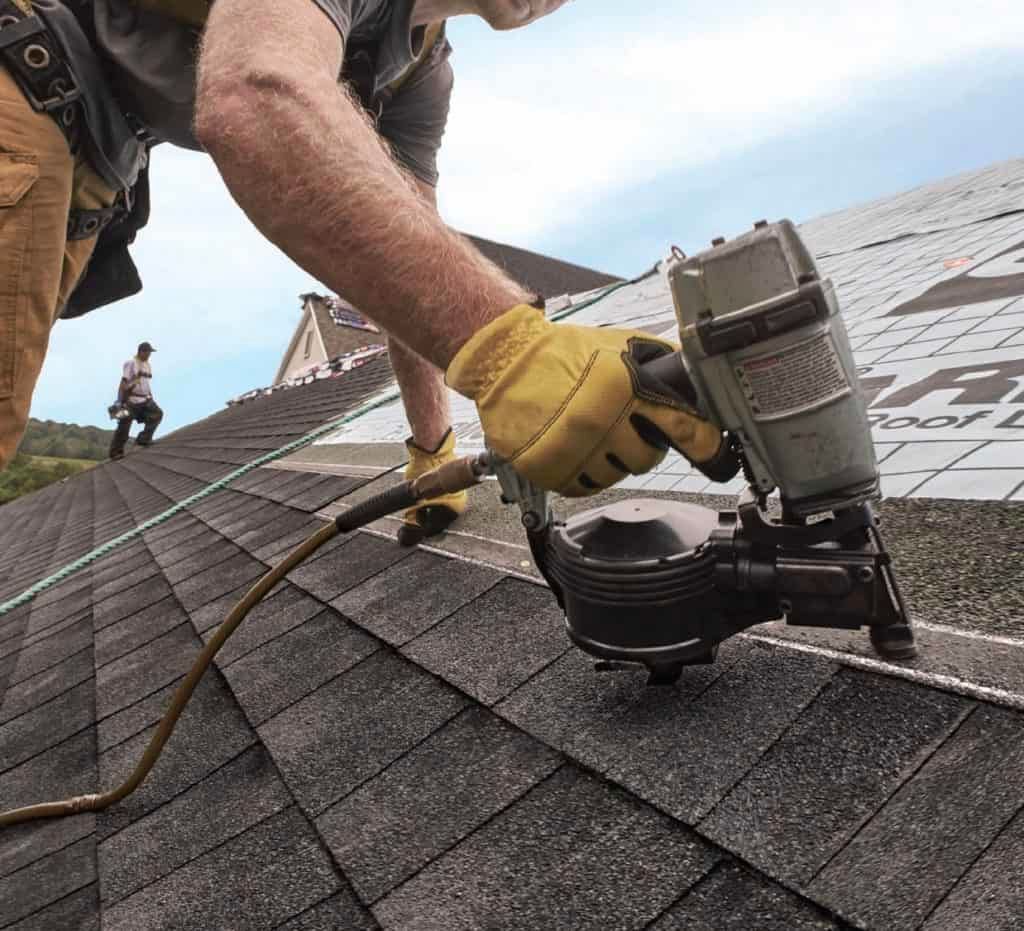
- Schedule Regular Roof Inspections: Catch small ventilation or moisture issues before they become major allergy-triggering headaches.
Benefits of Proactive Ventilation Upgrades
A healthy ventilation system offers more than just allergy relief. Homeowners who address attic and roof airflow often enjoy:
- Lower utility costs thanks to better temperature regulation
- Fewer mold and moisture concerns, which protect your investment
- Increased resale value due to a healthier, energy-efficient home environment
- Enhanced comfort as the air in your home feels fresher and less stifling
Get Expert Help From Markelangelo’s
If your family suffers from spring allergies or you’ve noticed rising humidity, condensation, or mysterious odors at home, it may be time to evaluate your attic and roof ventilation. At Markelangelo’s, we specialize in customized
ventilation solutions that improve indoor air quality, boost energy efficiency, and prevent allergy triggers before they start.
Contact us today to book an inspection and discover how our expert team can help make your home a healthier, more comfortable place this spring—starting from the top down.
Share This Blog